
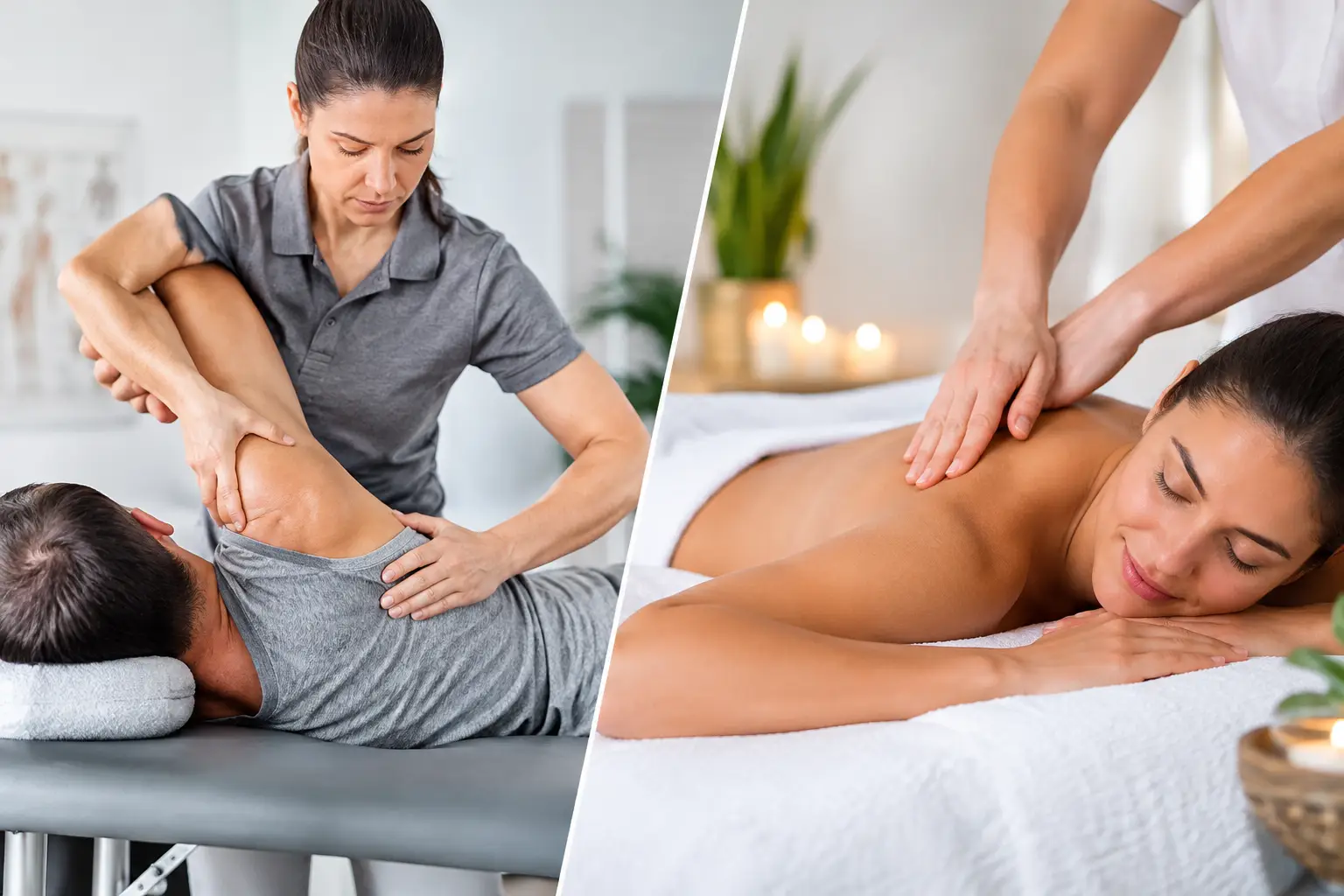
A tight neck after long hours at the desk, sore calves after a hinterland walk, or a mind that will not switch off on holiday can all make massage sound appealing. Yet remedial therapy versus relaxation massage is not simply a choice between a firm treatment and a gentle one. Each has a different purpose, pace and outcome, and choosing well helps you leave feeling genuinely cared for.
Remedial therapy versus relaxation massage: the key difference
Remedial therapy is a targeted form of massage designed to address particular areas of muscular discomfort, restricted movement or ongoing tension. Your therapist will usually ask questions about what you are feeling, how long it has been present, your activity levels and any relevant injuries or health conditions. The treatment plan is then shaped around your body rather than following one set routine.
Relaxation massage is centred on calming the nervous system and easing general muscular tension. It commonly uses flowing strokes, comfortable pressure and a slower rhythm across the whole body. The aim is to create a relaxed physical and mental condition – the kind that makes a busy week, a long flight or a full family schedule feel a little further away.
Neither option is automatically better. A remedial appointment may be the more useful choice when one shoulder is persistently tight or your lower back is affecting everyday comfort. A relaxation massage may be exactly what you need when stress, poor sleep and general fatigue are the bigger picture. Many people benefit from both at different times.
What happens in a remedial massage appointment?
A remedial treatment begins with listening. Your therapist may assess posture, range of movement and the quality of the surrounding muscle tissue before starting hands-on work. The session can include deeper pressure, focused massage, stretching and techniques intended to release tight or overworked areas.
The pressure should never be something you simply endure. Productive remedial work can feel intense in a tight area, but it should remain manageable and your therapist should adjust as needed. Speaking up about sharp pain, tingling, discomfort or an old injury is part of a safe and effective treatment.
This style of massage often suits people who are dealing with work-related tension, training loads, repetitive movement or a specific area that keeps returning to the same uncomfortable pattern. For example, a tradie with forearm tightness, a parent carrying a toddler on one hip, or an active visitor with heavy legs after days of walking may prefer a more focused approach.
Remedial massage can also be selected by clients seeking an eligible health-fund rebate. Availability depends on your fund, level of cover and the treatment booked, so it is wise to check your entitlements before your visit. HICAPS can make the claim process straightforward for eligible services, but it does not mean every massage or every client will qualify.
When remedial therapy may not be the first step
Massage is not a replacement for medical assessment. If you have sudden severe pain, unexplained swelling, numbness, weakness, fever, a recent fracture, or a condition that has not been assessed, seek appropriate medical advice first. Let your therapist know about pregnancy, recent surgery, skin conditions, medications and any health changes so the treatment can be adapted or postponed safely.
What makes relaxation massage different?
Relaxation massage gives your body permission to slow down. Instead of concentrating most of the session on one troublesome spot, your therapist generally works through broad areas such as the back, shoulders, legs, arms, hands and scalp in a connected, soothing sequence.
The pressure can still be tailored. Some guests enjoy a medium, comforting pressure through the shoulders and back, while others want a lighter touch that allows them to drift off. The difference is the intention: relaxation massage is not trying to chase a particular muscular restriction for most of the appointment. It is designed to soften general tension and support deep rest.
It is a lovely option before a special occasion, after travelling, during a demanding season at work or whenever you want your self-care time to feel like a true pause. For couples, it can also be a meaningful shared experience – especially when life has become more about coordinating calendars than spending unrushed time together.
A relaxation massage can be the starting point for a fuller spa ritual. Pairing massage with an infrared sauna session, magnesium spa treatment, facial or body exfoliation creates more time to unwind without having to travel between appointments. For first-time spa guests, these combinations can make booking feel simple: one venue, clear inclusions and a complete restorative experience.
Pressure is not the deciding factor
One common misunderstanding is that remedial massage is always painful and relaxation massage is always feather-light. In practice, skilled massage is more considered than that. A relaxation treatment can include firmer work where it feels good, while a remedial session may use gentle techniques around sensitive tissue or during recovery.
The more helpful question is not, “How hard will the massage be?” It is, “What do I want support with today?” If you want to feel calmer, rested and lightly renewed from head to toe, relaxation may be the natural fit. If you want attention on a recurring issue or movement restriction, remedial therapy may offer the clearer direction.
Your preference matters too. Some clients carry stress physically and need a targeted session; others have active bodies but find that relaxation massage is what helps them recover mentally. There is no prize for choosing the stronger treatment. The right massage is the one that respects your comfort, goals and current condition.
How to choose the right treatment for your day
Start with the reason you are booking. If your main thought is, “My neck and shoulders have been bothering me for weeks,” book remedial therapy and explain the area when you arrive. If your thought is, “I need an hour where nobody needs anything from me,” relaxation massage is likely to suit beautifully.
Consider what comes next as well. After a targeted remedial session, you may feel tender in areas that received focused work, particularly if the muscles were very tight. Many people feel lighter and freer afterwards, but it can be sensible to avoid planning an intense workout immediately following the appointment. Drink water, move gently and follow any individual aftercare advice from your therapist.
After relaxation massage, guests often prefer to keep the slower pace going. A quiet evening, a nourishing meal and an earlier night can extend that refreshed feeling. If you are on holiday, a spa treatment before dinner or after a day at the beach can shift the whole tone of your evening.
Duration also matters. A shorter appointment can provide welcome relief when time is limited, while a longer session gives your therapist more opportunity to work through several areas without rushing. If you have back, neck and leg tension, for instance, allowing enough time helps the treatment feel complete rather than hurried.
Tell your therapist what your body needs
The best results begin with an honest conversation. Mention the areas you want prioritised, the pressure you enjoy, any spots you would rather avoid and whether you are seeking therapeutic focus or pure relaxation. You can also share practical details, such as whether you have been sitting at a computer, driving long distances, exercising more than usual or struggling to sleep.
During the massage, keep communicating. A simple “a little lighter there” or “that pressure is perfect” gives your therapist the information they need to personalise the session. Professional massage should feel welcoming, respectful and tailored – never like you need to tolerate discomfort to get value from your time.
At Gold Coast Massage and Day Spa, experienced therapists can help you choose a treatment that fits the day you are having, whether that means focused remedial care or an indulgent relaxation escape. If you are unsure, book the time to care for yourself and let the conversation at the start of your appointment guide the treatment in the right direction.