
A massage should leave you feeling lighter, calmer and deeply cared for, not worried that you pushed through something your body was already signalling. This massage contraindications guide is here to make the decision clear: when a treatment is suitable, when it needs adapting, and when it is best to wait.
At Gold Coast Massage and Day Spa, your wellbeing comes before the treatment plan. A few honest minutes during your consultation helps your therapist choose safe techniques, comfortable positioning and the right level of pressure – or recommend postponing your session so you can return ready to enjoy the full restorative experience.
What are massage contraindications?
A contraindication is a health concern, symptom, medication or recent event that may make massage unsuitable or require changes to the treatment. It is not a judgement, and it does not automatically mean you can never book a massage. In many cases, it simply means avoiding one area, choosing gentle relaxation massage instead of firm remedial work, shortening the session, or checking in with your GP or specialist first.
There are two main types. A local contraindication affects one part of the body. For example, a fresh bruise, sunburn, rash or varicose vein may mean that area should not be massaged, while the rest of the body can often still be treated safely. A general contraindication affects your overall health and may mean massage should be postponed altogether.
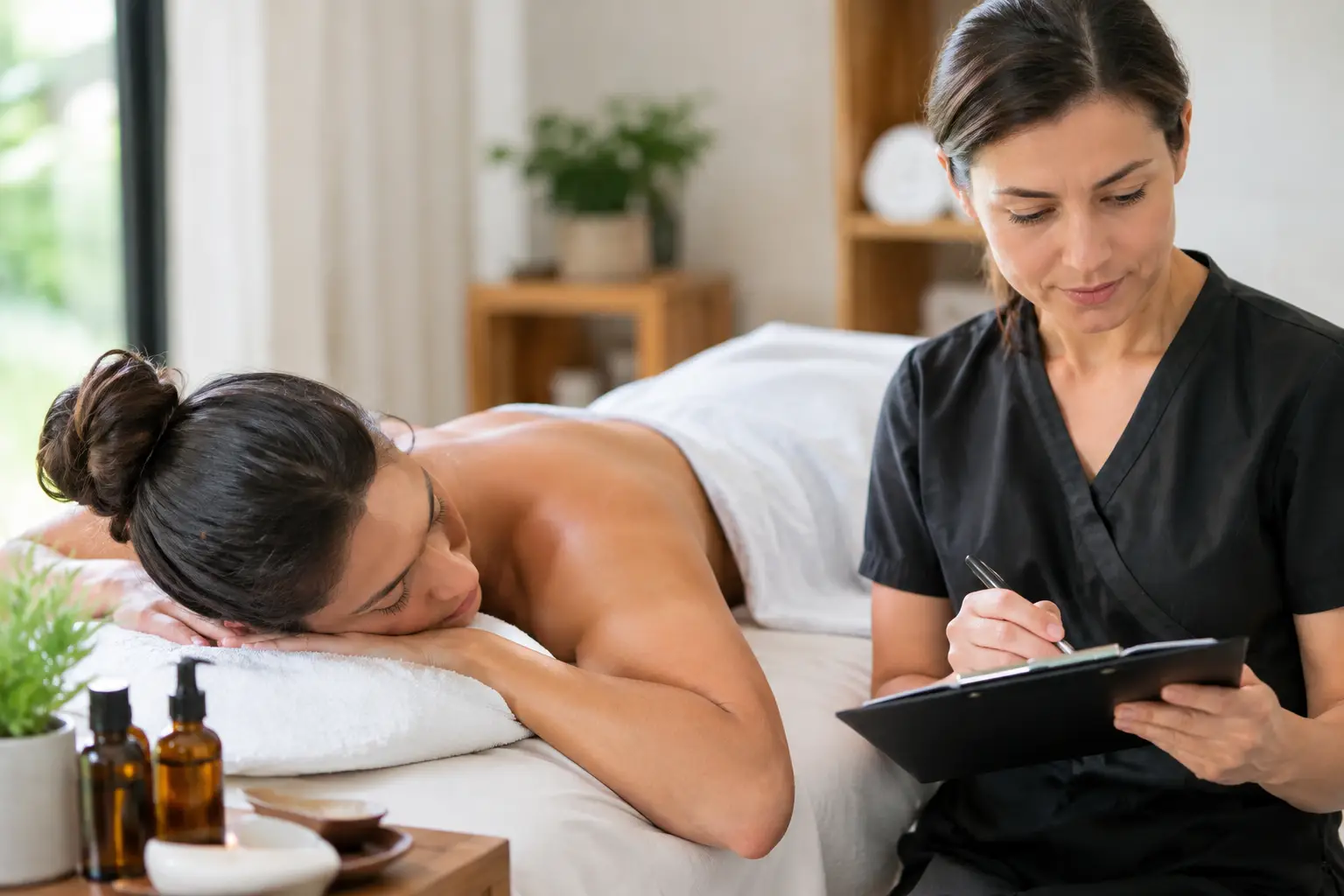
Your therapist will ask about relevant health information before beginning. Please mention anything that has changed since your last appointment, even if it seems unrelated. The detail that feels small to you may help us tailor a much better treatment.
When to postpone your massage
If you are unwell, your body needs its energy for recovery. Massage can increase circulation and make you feel warm and relaxed, which is lovely when you are healthy but may be uncomfortable when you have an active illness.
Please reschedule if you have a fever, a contagious cold, flu, gastro, COVID-19 symptoms, a chest infection or an active skin infection. This protects you, your therapist and other guests enjoying their spa time. It also means your next appointment can be a genuine pamper session rather than an effort to relax through discomfort.
An open wound, a new injury with significant pain or swelling, unexplained inflammation, or a recent accident also needs assessment before massage. Avoid deep massage over a suspected fracture, torn muscle, acute sprain or freshly injured joint. Once you have received appropriate medical advice, your therapist may be able to work safely around the affected area.
There are some symptoms that should never be treated as ordinary muscle tension. Seek urgent medical care rather than a massage appointment if you have chest pain, sudden shortness of breath, fainting, sudden weakness or numbness, a severe unfamiliar headache, or one-sided calf pain with swelling, warmth or redness. These can require prompt medical assessment.
Health conditions that need a tailored approach
Many people with ongoing health conditions enjoy massage as part of their self-care routine. The key is choosing an approach that respects your current health, medications and treatment plan.
If you have high or low blood pressure, heart disease, diabetes, osteoporosis, epilepsy, cancer, autoimmune illness, kidney disease or a neurological condition, tell your therapist before your session. Massage may still be appropriate, but pressure, duration, positioning and heat-based add-ons may need adjusting. A client with osteoporosis, for instance, usually needs gentler pressure and careful work around vulnerable areas.
Cancer care deserves particular sensitivity. Massage is not a substitute for medical treatment, but carefully adapted relaxation massage may be suitable for some clients with medical clearance. Let us know about current treatment, lymph node removal, ports, radiation sites, fatigue, bone involvement and any risk of lymphoedema. Your comfort and clinical advice guide the session.
People taking blood-thinning medication or living with a bleeding disorder should avoid strong pressure that could cause bruising. Likewise, reduced sensation from diabetes, nerve damage or another condition means heat and pressure need extra care, as you may not feel discomfort as quickly.
If you are unsure whether a condition is relevant, tell us anyway. It is always easier to adapt a treatment before it begins than to deal with discomfort afterwards.
Pregnancy, postnatal care and positioning
Pregnancy massage can be a wonderful way to ease the physical demands of growing a baby, especially through the back, hips, legs and feet. However, it should be provided by a therapist who understands safe pregnancy positioning and appropriate techniques.
Let us know how many weeks pregnant you are, whether your pregnancy has been uncomplicated, and whether your maternity care provider has raised any concerns. Medical clearance may be needed for high-risk pregnancies, high blood pressure, pre-eclampsia, bleeding, severe swelling, clotting concerns or persistent pain.
After birth, your readiness for massage depends on your recovery, whether you had a caesarean birth, any complications and how you are feeling day to day. Be upfront about tenderness, abdominal healing, breastfeeding comfort and fatigue. A supportive, restorative session should meet you where you are.
Skin, circulation and local areas to avoid
Your skin gives useful information about what is happening in the body. Do not massage directly over sunburn, eczema flare-ups, unexplained rashes, dermatitis, psoriasis plaques that are cracked or painful, cold sores, warts, fungal infections or any broken skin. Apart from being uncomfortable, this can worsen irritation or spread infection.
Varicose veins require a lighter touch and should not receive deep, direct pressure. Bruising, recent injections, surgical scars that have not fully healed and inflamed joints are also areas your therapist may avoid. Mature scars can often be treated gently, but timing matters, particularly after surgery.
For swelling, especially sudden swelling in a single leg or arm, postpone treatment until you have medical advice. Massage is not appropriate if a blood clot is suspected. If you have diagnosed lymphoedema, it is best to seek care from a practitioner specifically trained in lymphatic techniques and follow your healthcare team’s guidance.
Sauna, magnesium baths and spa extras
A complete spa visit can include more than hands-on massage. Infrared sauna sessions, magnesium spa baths, facials, body scrubs and sound healing each bring their own comfort and safety considerations.
Heat therapies may not be suitable if you have uncontrolled blood pressure, certain heart conditions, a fever, dehydration, heat sensitivity or are affected by alcohol, recreational drugs or sedating medication. They may also need medical approval during pregnancy. Avoid using an infrared sauna when you feel dizzy, unwell or unable to tolerate heat, and leave the session if you become light-headed or uncomfortable.
A magnesium spa bath is designed for soothing relaxation, but should be skipped if you have open wounds, an active skin infection or a condition where prolonged heat is not advised. Please disclose allergies, particularly before facials, body scrubs or aromatherapy massage. Natural oils and beautiful scents still need thoughtful selection when you have sensitive skin, asthma, fragrance sensitivity or a known allergy.
Hydrate before and after heat-based treatments, rise slowly after a bath or massage, and give yourself time to settle before heading back into Gold Coast traffic or a busy holiday itinerary.
How to prepare for a safe, relaxing session
The most helpful thing you can bring is accurate information. Complete your consultation form carefully and speak up if you are taking new medication, have had surgery, are experiencing pain, or simply do not feel quite right on the day.
You never need to tolerate pressure because you think it is meant to hurt. Effective massage is not about enduring discomfort. Tell your therapist if the room is too warm, your position feels awkward, an area feels tender, or you would prefer lighter pressure. A skilled treatment is responsive, not one-size-fits-all.
Avoid arriving dehydrated, heavily intoxicated or straight after a large meal. Wear whatever makes you comfortable, and allow a little extra time if you have booked a package with sauna, spa bath or beauty treatments. The aim is to move through your experience unhurried, relaxed and well supported.
A safe treatment is a better treatment
Massage contraindications are not there to take away your well-earned time out. They are the reason your therapist can create a treatment that feels both indulgent and genuinely appropriate for you. If you have a question before booking, contact us now and share what is on your mind. A little guidance beforehand can turn your appointment into the calm, revitalised reset your body has been asking for.