
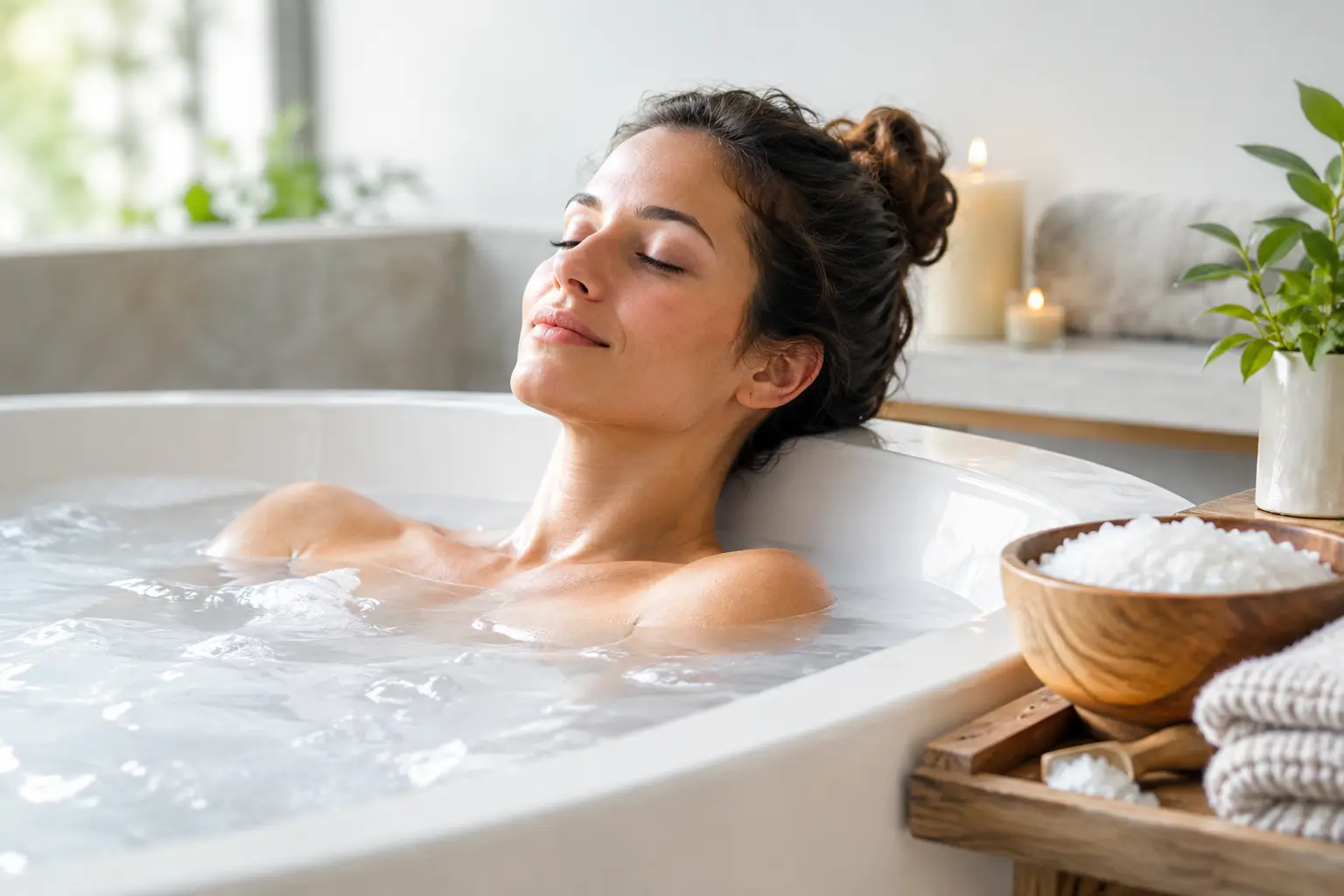
A warm magnesium spa bath can be the pause your body has been asking for after a long week of work, travel, training, parenting or simply carrying too much tension through the shoulders. The most meaningful magnesium bath benefits are often felt in that quiet transition from feeling wound up to feeling warm, supported and ready to slow down.
At Gold Coast Massage and Day Spa, a magnesium spa treatment is designed as more than a quick soak. It can be a restorative part of a wider pamper experience, especially when paired with massage, infrared sauna therapy, exfoliation or a facial. The aim is simple: help you leave feeling relaxed, revitalised and more comfortable in your body.
What are magnesium bath benefits?
Magnesium baths commonly use magnesium sulphate, often known as Epsom salt, dissolved into warm water. Many people choose them to ease the sense of muscle heaviness that follows a busy day or demanding exercise, while others enjoy the calming ritual before an early night.
The warmth of the bath is a major part of the experience. Warm water can encourage muscles to soften, promote a feeling of circulation and comfort, and give the nervous system a chance to settle. When you combine that warmth with a quiet spa setting, it can be easier to switch off from notifications, deadlines and the mental to-do list.
Magnesium itself is an essential mineral involved in normal muscle and nerve function. However, it is wise to keep expectations realistic about how much magnesium the body absorbs through the skin. Research on transdermal magnesium absorption is still limited and mixed. A magnesium bath should not replace prescribed treatment, dietary advice or oral supplements recommended by your GP or pharmacist.
That does not make the experience any less worthwhile. For many guests, the benefit is practical and immediate: dedicated time to rest, warmth around tired muscles, softer skin and a calmer state of mind.
Relief for tired, tight-feeling muscles
Whether you have spent the day at a desk, on your feet, driving between appointments or enjoying the Gold Coast outdoors, muscles can feel stiff and overworked. A warm soak may help reduce that feeling of tightness and make your body feel more prepared for a massage.
This is why a bath can work beautifully before a relaxation or remedial massage. The heat helps you arrive less guarded, while hands-on treatment can then focus on the areas that need extra attention. If you are dealing with an injury, ongoing pain or numbness, though, seek clinical advice rather than relying on a spa bath alone.
A calmer evening ritual
Stress does not always disappear when the workday ends. It often shows up as a clenched jaw, shallow breathing, restless sleep or a mind that keeps replaying the day. Taking 20 to 30 minutes in a warm bath creates a clear boundary between being busy and being at rest.
A bath is not a cure for anxiety or insomnia, but it can be a gentle part of a wind-down routine. Try to avoid rushing straight back to your mobile afterwards. Give yourself a few unhurried minutes, drink some water and let the relaxed physical and mental condition continue.
Softer, refreshed-feeling skin
A bath may soften the outer layer of the skin, which can leave it feeling smoother and more refreshed. This is particularly enjoyable before a body scrub or moisturising spa ritual. It is not the right choice for everyone, however. If you have broken skin, an active rash, severe eczema or a skin infection, check with a health professional before booking.
Magnesium bath benefits are not the same for everyone
The best spa treatments meet you where you are. A holidaymaker may want a slow, indulgent reset after a flight. A local who trains regularly may be looking for a warm recovery ritual. A couple might simply want protected time together without having to plan anything beyond arriving and relaxing.
Your result can depend on water temperature, the length of your soak, your hydration and what follows. A bath may feel deeply soothing on its own, but a structured treatment can make the experience feel more complete. For example, a magnesium spa bath followed by massage gives you the gentle warmth of hydrotherapy and the tailored care of an experienced therapist.
It also helps to be clear about the word “detox”. Spa treatments can support relaxation, sweating and a renewed sense of wellbeing, but they do not flush toxins from the body in a medical sense. Your liver and kidneys already perform that work. Think of a magnesium detox spa bath as a wellness ritual that encourages you to pause, hydrate and care for your body, rather than a medical cleanse.
How to get more from your magnesium spa bath
Arrive well hydrated and avoid a heavy meal or excess alcohol immediately beforehand. Your comfort matters more than pushing through a very hot or lengthy soak. If the water feels too warm, you feel light-headed or unwell, let your therapist know straight away.
For an at-home bath, follow the product directions rather than adding large amounts of salt. Use comfortably warm water, not scalding water, and keep the session moderate – around 15 to 20 minutes suits many people. Rinse off afterwards if your skin feels dry or sensitive, then apply a simple moisturiser.
At a day spa, let your therapist know about any injuries, health conditions, allergies, pregnancy or recent surgery before treatment begins. This allows your experience to be adjusted safely and comfortably. A professional spa team can also help you choose whether a bath is best enjoyed before your massage, as part of a couples package or alongside an infrared sauna session.
When to take extra care
Warm baths are relaxing for many people, but they are not suitable in every circumstance. Check with your GP before using a heated spa bath if you have unstable blood pressure, significant heart or circulation concerns, diabetes with reduced sensation, kidney disease or a condition affected by heat.
Pregnant guests should ask their maternity care provider for individual guidance, particularly regarding heat exposure and water temperature. Children, older adults and anyone prone to dizziness should also take care with hot water. Never use a spa bath when you feel unwell, dehydrated or affected by alcohol.
If you have sensitive skin, start gently. Magnesium salts may feel irritating for some people, especially after shaving or if the skin barrier is already compromised. A shorter soak and a patch test with a new product can be sensible precautions.
Pairing a bath with massage or sauna
A magnesium bath is a lovely standalone treatment, but it is often most rewarding as part of a longer restorative experience. A massage can address areas of tension with skilled, personalised pressure. An infrared sauna session may add another layer of warmth and stillness. A facial or body scrub can turn practical self-care into a full pamper day.
There is a trade-off: more heat is not always better. If you combine sauna and a spa bath, listen to your body, take hydration seriously and allow recovery time between treatments. The best wellness experience should leave you settled and refreshed, not overheated or drained.
A magnesium bath will not solve every ache or replace professional medical care, yet its value can be wonderfully straightforward. Set aside the time, choose treatments that suit your needs and let warmth, water and skilled care give your body permission to soften. When you are ready for an ultimate wellness experience on the Gold Coast, book a treatment that gives you enough time to truly relax.