
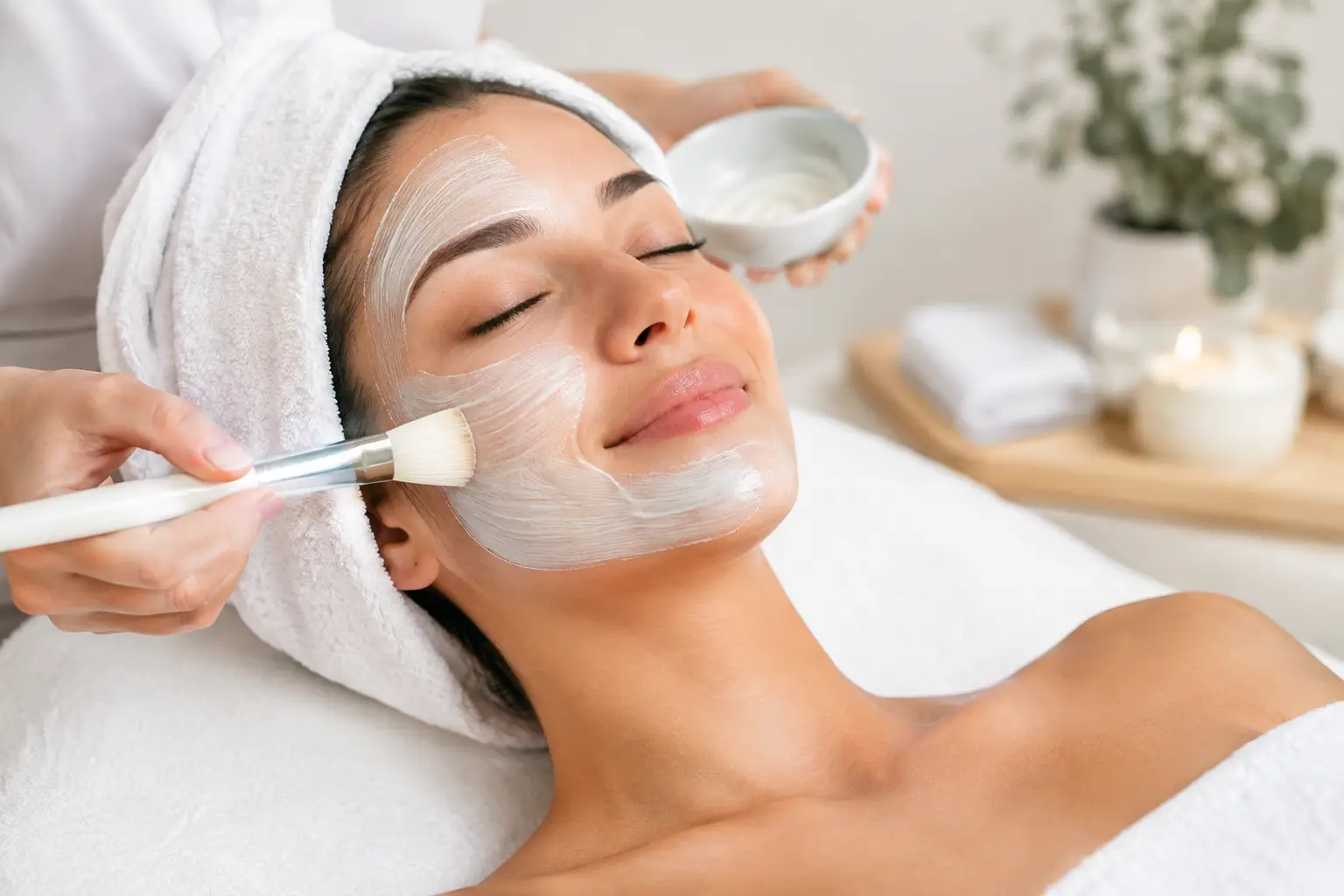
When skin feels tight after cleansing, make-up catches on dry patches, or your complexion looks dull no matter how much moisturiser you apply, dry skin facials can offer a welcome reset. More than a quick beauty treatment, the right facial pairs professional skin care with protected time to pause, rest and leave feeling refreshed from the outside in.
At Gold Coast Massage and Day Spa, a facial can be a beautiful standalone treatment or part of a longer pamper experience with massage, exfoliation, infrared sauna therapy or a magnesium spa bath. The best choice depends on how your skin feels on the day, how much time you have, and whether you are looking for targeted skin care or a complete restorative escape.
What dry skin facials are designed to do
Dry skin needs comfort before it needs intensity. A carefully tailored facial focuses on cleansing without stripping the skin, gently lifting surface build-up, and applying hydration-rich products that help the complexion feel softer and look more luminous.
Dehydrated and dry skin are often spoken about as if they are the same thing, but they are not always identical. Dry skin generally lacks oil and may feel rough, flaky or sensitive, while dehydration is a lack of water that can affect any skin type, including oily skin. A skilled therapist can assess what they see and feel, then select suitable products and techniques for your current condition.
A dry-skin-focused facial commonly includes a gentle cleanse, skin analysis, light exfoliation where appropriate, a nourishing mask, facial massage and finishing moisturising care. The aim is not to scrub away every trace of texture. Over-exfoliating already dry skin can increase discomfort, so a softer, more considered approach is often the better option.
Why your skin may feel drier on the Gold Coast
The Gold Coast lifestyle is made for being outdoors, but sun exposure, salt water, air conditioning and regular showers can all affect the skin barrier. A day at the beach, a long flight, an active weekend or time spent in heated and cooled indoor spaces may leave your complexion looking less settled than usual.
Seasonal changes matter too. Cooler weather can make dryness more noticeable, while summer heat, perspiration and stronger sun exposure can lead people to cleanse more often or use products that are too harsh. Even a favourite active skincare routine may need adjusting when your face begins to sting, flake or feel persistently tight.
Stress and poor sleep can show up in the mirror as well. While a facial is not a medical treatment for a skin condition, an unhurried appointment can be a valuable part of a regular self-care routine. It gives you a quiet hour to step away from the to-do list while your skin receives focused, professional attention.
What to expect during a facial for dry skin
Your appointment should begin with a conversation, not assumptions. Let your therapist know whether you have sensitivity, allergies, recent sun exposure, active breakouts, a skin condition, or are using prescription or active skincare products. Mention anything that has caused redness or irritation in the past, including fragranced products or essential oils.
After cleansing and assessing your skin, your therapist will choose products and steps that suit your needs. For some guests, a light exfoliation can smooth dry surface cells and help subsequent hydrating products sit more evenly. For others, particularly if the skin is reactive, the priority may be gentle cleansing, a calming mask and replenishing moisture instead.
Facial massage is one of the most relaxing parts of the experience. Slow, skilled movements can ease facial tension while helping you settle into a deeply relaxed physical and mental condition. A moisturising mask then has time to work while you simply rest. The treatment typically finishes with carefully selected moisturiser and protective daytime care if needed.
You should not leave feeling raw, overly tight or as though your face has been aggressively polished. Mild temporary pinkness can occur after some treatments, but comfort is the goal. If something stings or feels uncomfortable at any point, tell your therapist straight away. Professional care is collaborative, and your feedback helps make the treatment right for you.
When to postpone your appointment
A facial may need to be delayed if you have severe sunburn, an open wound, a contagious skin concern or a flare-up that is painful and inflamed. If you are receiving treatment from a dermatologist or using strong prescription products, check what is appropriate first. This is not about missing out on your pamper time. It is about treating your skin safely and choosing the most suitable time to enjoy it.
Choosing the right facial and spa combination
A facial is ideal when your main concern is a tired, dry-looking complexion, but it also works beautifully alongside body treatments. If you are a busy local in need of a reset, combining a facial with a relaxation massage can ease muscle tension and give your skin the nourishing attention it has been missing.
For a special occasion, couples spa time can turn skincare into a shared experience. A facial added to massage, sauna or a magnesium spa treatment creates a longer pause from everyday demands, with clear inclusions that make planning easy. It is a thoughtful option for birthdays, anniversaries, holidays or simply a well-deserved day together.
Infrared sauna sessions can be a relaxing addition for guests who enjoy warmth before their treatment, but hydration is especially important if your skin already feels dry. Drink water, tell your therapist how your skin is feeling, and avoid assuming that more heat is always better. Your ideal wellness experience should leave you revitalised, not depleted.
How to prepare for your appointment
There is no need for a complicated pre-facial routine. Arrive with minimal make-up if practical, but do not worry if you are coming straight from work, the gym or a day out. Your treatment begins with cleansing.
For the few days beforehand, avoid introducing a new active serum, using a strong at-home peel or trying an abrasive scrub. These can make it harder to tell what your skin needs and may leave it more sensitive. If you have recently had cosmetic injectables, waxing, laser treatment or another advanced skin procedure, mention this when booking so you can be guided on suitable timing.
On the day, wear comfortable clothing and allow enough time that you are not rushing through the door. A facial is more enjoyable when you can arrive calmly and take a few moments afterwards to enjoy the softer, rested feeling rather than immediately heading back into a hectic schedule.
Keeping your skin comfortable after dry skin facials
The care you take home matters. After a nourishing facial, keep your routine simple for a day or two. Use a gentle cleanser, apply moisturiser while the skin is still slightly damp, and wear broad-spectrum sunscreen during daylight hours. This supports the comfort and glow achieved during your treatment.
Try to avoid hot showers directly on the face, harsh scrubs and experimenting with several new products at once. If you wear make-up, choose formulas that feel comfortable rather than matte and drying. A good facial can give your skin a welcome boost, but long-lasting comfort usually comes from consistent, gentle daily care.
How often you book depends on your skin, lifestyle and budget. Some people enjoy a monthly facial as a regular ritual, while others book before an event, after travel or whenever their complexion needs a little more care. Your therapist can help you find an approach that feels realistic rather than overly complicated.
If your skin is calling for gentler care, make space for a treatment that meets it where it is. A nourishing facial is a simple way to step out of the rush, restore a little comfort and leave with skin that feels as cared for as you do.