
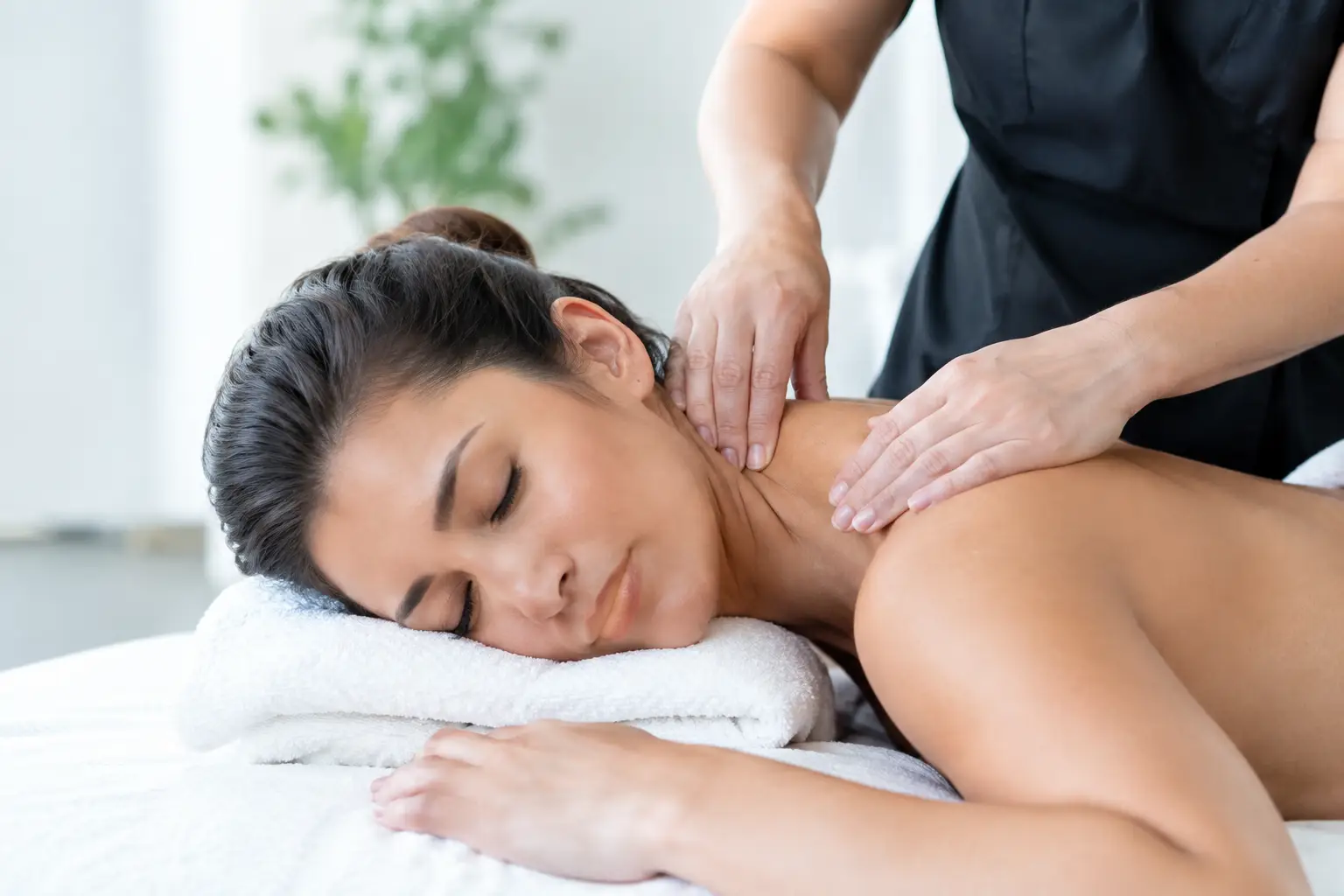
That tight, pulling feeling from the base of your skull into your shoulders can make work, driving, sleep and even turning your head feel harder than it should. The best massages for neck pain are not always the firmest treatments. They are the ones matched to the source of your tension, your health needs and how your body responds on the day.
Neck discomfort commonly builds after long hours at a desk, travel, stress, poor sleep, gym training or carrying little ones. A skilled massage can help settle tight surrounding muscles, encourage easier movement and create the deep exhale many people need. The right approach matters, because an overly forceful treatment on an already irritated neck can leave you feeling guarded rather than refreshed.
Why neck pain needs a personalised approach
Your neck does not work alone. Tension often involves the upper back, shoulders, chest, jaw and the small muscles around the shoulder blades. This is why a therapist may spend less time pressing directly into your neck than you expect. Releasing the areas that are pulling on it can be more comfortable and more effective.
Before your treatment, let your therapist know where the discomfort sits, when it began and what makes it better or worse. Mention headaches, tingling, old injuries, recent surgery, pregnancy, medications and any health conditions. A professional therapist can then adjust pressure, positioning and technique to suit you.
For some people, one calming session offers welcome short-term relief. For recurring tension, regular massage combined with simple changes to your workstation, pillow, training load or stress routine may be the more realistic path. Massage is supportive care, not a substitute for medical assessment where one is needed.
Best massages for neck pain and shoulder tension
Remedial massage for persistent muscular tightness
Remedial massage is often a strong choice when neck pain is linked with ongoing muscle tightness, restricted movement or a demanding routine. It is tailored to the individual rather than following one set sequence. Your therapist may use focused pressure, stretching and targeted work through the shoulders, upper back, chest and neck to address the pattern behind the discomfort.
This treatment can be particularly helpful for office workers who spend hours looking at a screen, active people whose shoulders are working overtime, or anyone who wakes with a stiff upper body. The aim is not to make you grit your teeth through the session. Effective remedial work should stay within a manageable level of intensity, with clear communication throughout.
If you are eligible, remedial massage may also be suitable for HICAPS health fund rebates. Check your individual cover and ask at the time of booking if you would like clarity before your visit.
Relaxation massage for stress-held tension
Not all neck pain calls for deep, specific pressure. When stress is the main driver, a relaxation massage can be one of the most restorative options. Long, flowing movements and gentle-to-firm pressure help settle an overworked nervous system while easing the muscles across the shoulders and upper back.
This is a beautiful choice if your neck feels heavy after a big week, you are sleeping poorly or you simply need to step away from constant demands. Many clients are surprised by how much freer their neck feels once their body has had permission to properly switch off.
Relaxation massage may not be the first choice for a specific injury or significant movement restriction. But for general tension, it offers a nurturing reset that supports both physical comfort and mental calm.
Aromatherapy massage for a sensory reset
Aromatherapy massage pairs relaxation-focused bodywork with carefully selected essential oils. The massage itself helps soothe tight muscles, while the calming sensory experience can make it easier to slow down and breathe more deeply.
It suits clients whose neck and shoulder tension rises alongside overwhelm, busy schedules or difficulty winding down. Tell your therapist about any sensitivities, allergies, asthma or pregnancy before treatment, as oils can be adjusted or avoided where appropriate. The experience should feel comforting, never overpowering.
Pregnancy massage for changing posture and shoulder strain
Pregnancy can bring a surprising amount of neck and shoulder tension, particularly as posture, sleep habits and daily comfort change. Pregnancy massage uses safe positioning and techniques designed for expectant mums, with careful attention to comfort at every stage.
A qualified therapist can focus on common areas of strain such as the upper back, shoulders, neck and hips without treating you like a standard remedial client. Always share how far along you are, any complications and advice from your healthcare provider. If you are unsure whether massage is suitable, seek that guidance first.
What a good neck massage should feel like
A helpful treatment should feel considered from the start. Your therapist should ask questions, check your comfort on the table and invite feedback about pressure. You may feel tender in tight areas, especially during focused remedial work, but sharp pain, numbness, dizziness or a feeling that you need to endure it are signs to speak up immediately.
Afterwards, it is normal to feel relaxed, sleepy or mildly tender, especially if your muscles have been holding tension for a long time. Drink water, avoid loading your shoulders with an intense workout straight away and notice how your body feels over the next day or two. Gentle movement, such as an easy walk or shoulder rolls, can feel more supportive than staying completely still.
The most effective result is often not dramatic. It may be easier to check your blind spot while driving, sit at your desk without constantly rubbing your shoulder, or fall asleep without trying to find the one perfect position.
Pair massage with restorative spa time
If stress is feeding your neck tension, allowing time before or after massage can make the whole experience feel more complete. An infrared sauna session may help you warm up and unwind before bodywork, while a magnesium spa treatment can create a deeply relaxing pause after a busy stretch.
These additions are not a cure for injury, and they do not replace a tailored massage assessment. Their value is in supporting relaxation and helping you leave in a calmer physical and mental condition. For couples, a shared massage and spa experience can also be a meaningful way to mark an occasion without sacrificing genuine wellbeing.
At Gold Coast Massage and Day Spa, experienced therapists can help you choose between a focused remedial appointment, a soothing relaxation massage or a broader pamper experience that suits your time and comfort preferences.
When to seek medical advice first
Massage is not appropriate for every kind of neck pain. Speak with a doctor or seek urgent medical care before booking if your pain followed a fall, car accident or other trauma, or if you have severe headache, fever, unexplained weakness, numbness, tingling, dizziness, trouble speaking or pain travelling into the arm or chest.
You should also seek professional advice for pain that is worsening, persistent without explanation or accompanied by changes in balance or coordination. A good massage therapist will welcome this caution and work alongside appropriate medical care, not against it.
Choosing the right appointment
If your neck feels tight from daily stress and you want a full-body reset, choose relaxation or aromatherapy massage. If the discomfort is recurring, movement feels restricted or you want more targeted muscular work, remedial massage is usually the better starting point. For pregnancy-related discomfort, book a dedicated pregnancy massage so your treatment can be adapted safely.
When booking, do not worry about having the perfect terminology. Simply describe what you are feeling and what you hope to get from the session. The right treatment begins with being heard, then giving your body the skilled, unhurried care it has been asking for.