
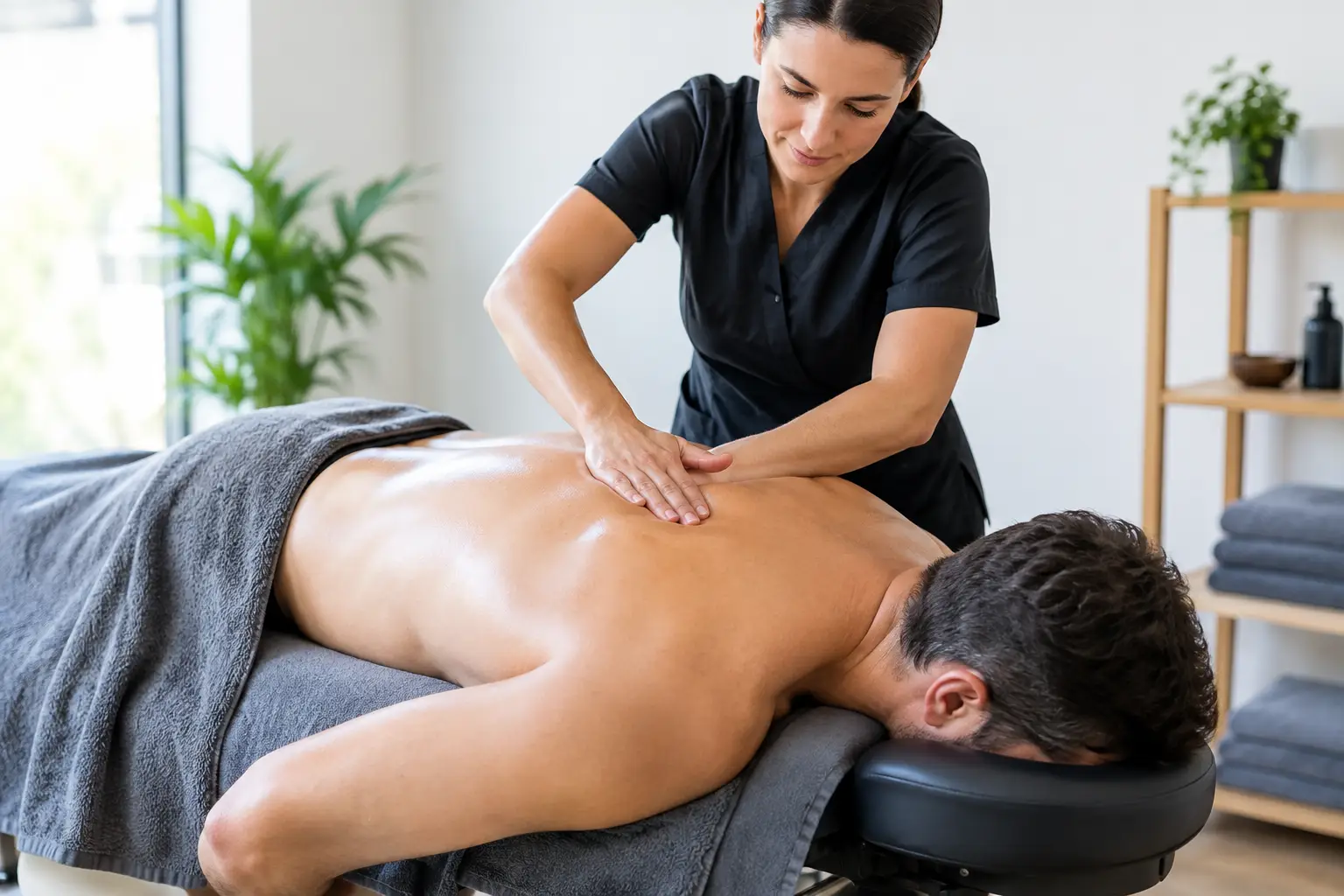
A tight neck after hours at a desk, heavy legs after a long walk along the coast, or a mind that simply will not switch off can all make proper rest feel out of reach. Skilled massage therapists provide more than a pleasant hour away from routine. They use considered touch, clear communication and suitable techniques to help you settle into a more relaxed physical and mental condition.
The right treatment is personal. Some guests want focused support for persistent muscular tension, while others are booking a soothing reset, a couples experience or a full afternoon of pamper. Knowing what massage can offer, and what to tell your therapist before you begin, helps make the experience more comfortable and worthwhile.
Why skilled massage therapists make a difference
A good massage begins before the first movement. Your therapist should ask about the areas that feel uncomfortable, your preferred pressure, relevant injuries or health considerations, and what you would like from the session. This conversation is not a formality. It guides the treatment so it suits your body, your comfort level and your reason for visiting.
Pressure is a good example. Firm work can feel satisfying for someone carrying tension through their shoulders or lower back, but firmer is not automatically better. Muscles can become guarded when pressure is too intense, particularly when you are already stressed, tired or new to massage. An experienced therapist adjusts their approach rather than applying one standard routine to every guest.
Professional care also means respecting boundaries. You should feel at ease asking for less pressure, more attention to a particular area, a different room temperature or an adjustment to positioning. A quality treatment feels attentive, safe and unrushed. It is never about enduring discomfort to prove that a massage is working.
Choosing a massage that suits your needs
The most suitable treatment depends on whether you are seeking relief from everyday tension, support for a specific concern or time to genuinely slow down. Be honest about your goal when booking. It makes choosing from a spa menu much simpler and gives your therapist helpful direction from the start.
Relaxation massage for a full-body reset
A relaxation massage is often the best choice when stress, busy schedules or poor sleep have left you feeling wound up. Flowing strokes and calm, steady pressure are designed to quieten the nervous system and ease general tightness. It is a wonderful option for first-time guests, holidaymakers who want to unwind, or anyone who wants to leave feeling lighter rather than heavily worked over.
Aromatherapy massage adds another sensory layer through carefully selected essential oils. If you are sensitive to fragrance, pregnant, have allergies or simply prefer unscented products, say so before your treatment. Personalising the experience is part of professional care.
Remedial massage for focused muscular tension
Remedial massage is generally chosen when a particular area needs more targeted attention, such as ongoing stiffness in the neck, shoulders, hips or legs. Your therapist may use a range of techniques and focus more time on the muscles that are contributing to your discomfort. The session can still be relaxing, but its purpose is more specific than a general unwind.
If you are seeking a health fund rebate, check your individual cover and ask whether the service is eligible before booking. HICAPS can make claiming straightforward for eligible remedial services, but benefits vary between funds and policies. A therapist can work within your comfort level, yet massage should not replace medical assessment for severe, sudden or unexplained pain.
Pregnancy massage with comfort in mind
Pregnancy brings remarkable changes, and it can also bring sore backs, tired feet and a need for uninterrupted rest. Pregnancy massage is adapted to support comfort and appropriate positioning as your body changes. Let the team know how far along you are and discuss any guidance you have received from your health professional. A thoughtful consultation helps ensure the treatment feels nurturing from beginning to end.
Couples massage for time well spent
A couples massage is not only for anniversaries. It is an easy way for partners, friends or family members to share a restorative experience without needing to plan an entire day around it. Each person can have a treatment tailored to their own preferences, whether that means gentle relaxation work for one guest and more focused pressure for the other.
For a more indulgent occasion, a package can extend the experience with elements such as an infrared sauna session, magnesium spa treatment, facial or body exfoliation ritual. These combinations are ideal when one massage does not feel like enough time to fully step away from the pace of daily life.
What to share before your appointment
Clear information helps your therapist look after you properly. Mention recent surgery, injuries, skin irritation, allergies, pregnancy, circulation concerns, medications or any condition that could affect your treatment. You do not need to explain every detail of your health history, but relevant information allows the therapist to modify techniques, products or positioning where needed.
It is also helpful to say what has and has not worked for you previously. Perhaps you dislike scalp massage, prefer a quiet treatment, feel cold easily or find deep pressure uncomfortable around your calves. These details are useful, not fussy. The best massage is one that is shaped around you.
Try to arrive a little early, especially for your first visit. Rushing from the car park straight onto the table can make it harder to settle. Give yourself time to complete any forms, use the bathroom, turn your mobile to silent and take a few slow breaths before your session begins. If you are running late, contact the spa as soon as possible, as the treatment may need to finish at its scheduled time to respect the next guest’s booking.
Making the benefits last beyond the treatment room
There is no single rule for how often to book massage. For some people, a monthly relaxation massage provides a welcome pattern of self-care. Others choose remedial sessions more regularly for a period when muscular tension is particularly noticeable. Your schedule, budget, activity level and response to treatment all matter.
After a session, allow for a gentler pace if you can. Drink water when you are thirsty, enjoy a nourishing meal and avoid loading your day with unnecessary errands. A short walk, a warm shower and an early night can complement that feeling of release. If an area feels tender after focused work, this is worth mentioning at your next appointment so the approach can be adjusted.
Massage works especially well as part of broader care for your wellbeing. Regular movement, supportive sleep habits, breaks from long periods of sitting and time away from constant notifications all have a place. Your therapist can help you notice patterns in how your body holds tension, but lasting comfort is often built through small, consistent choices between appointments.
Turn a massage into a complete wellness experience
Sometimes the greatest benefit of a spa visit is giving yourself permission to stay a little longer. A massage can be beautifully restorative on its own, while thermal and beauty treatments can create a more immersive pause from work, travel or family demands. An infrared sauna session may be appealing before a treatment when you want time to warm up and settle, while a magnesium spa bath offers a quiet space to rest afterwards.
Facials, body scrubs, foot massage and reflexology can also make a package feel thoughtfully complete rather than overly complicated. The best combination depends on the time you have and the feeling you want to take home. A short visit may call for a simple full-body massage; a celebration or special weekend may deserve several hours of calm.
At Gold Coast Massage and Day Spa, guests can choose from standalone treatments or transparent packages that bring massage, sauna, spa and beauty rituals together in one welcoming setting. With experienced therapists, seven-day availability and a strong focus on professional, hygienic care, it is designed to make restorative time feel both special and straightforward.
Your body does not need a special occasion to deserve attention. Choose the treatment that meets you where you are, communicate openly with your therapist, and book a time that gives you room to leave feeling truly revitalised.