
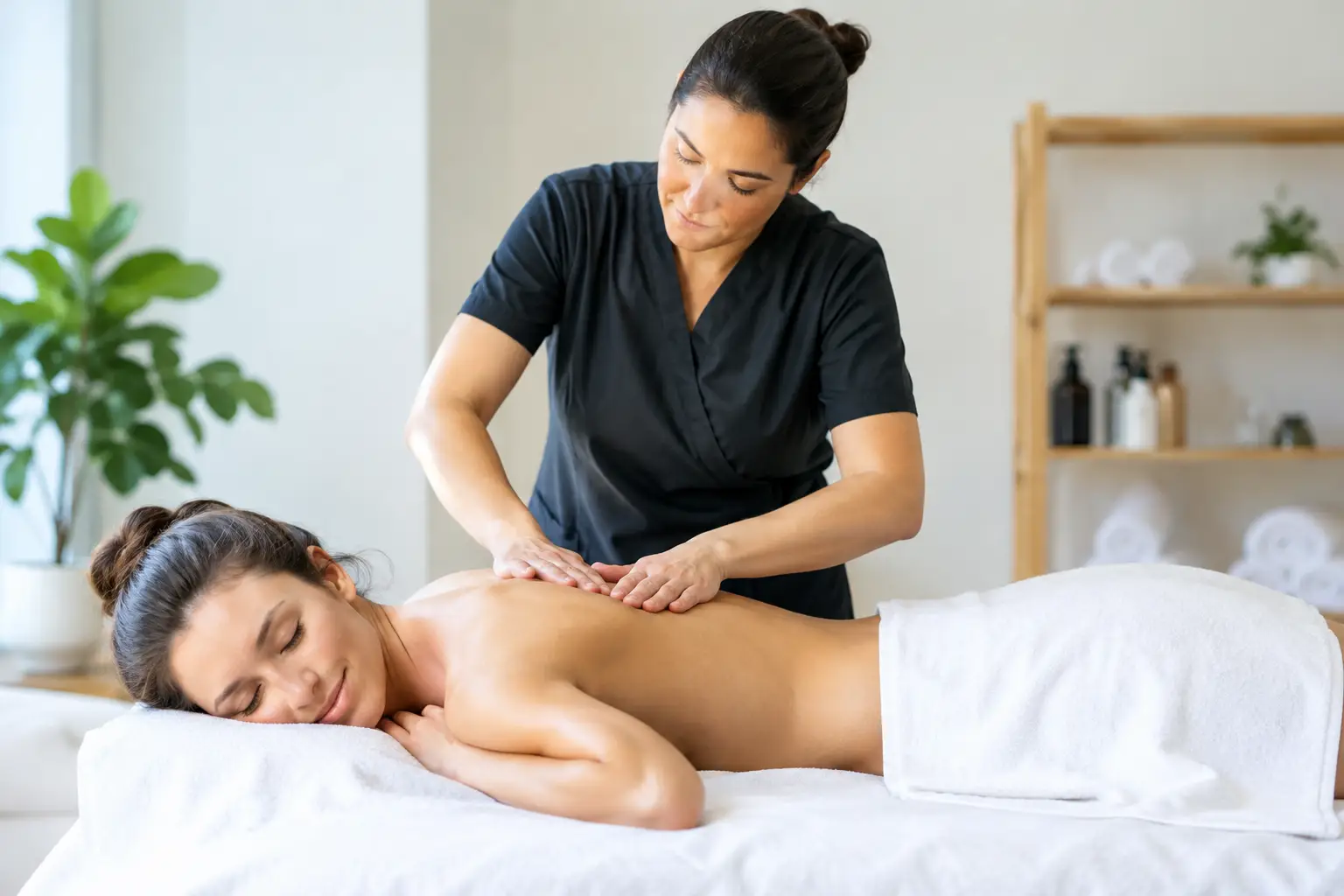
A tight neck after long hours at a desk, sore legs after a weekend of training, or ongoing muscle tension can make a remedial massage feel less like a treat and more like sensible self-care. If you have extras cover, health rebate eligibility may help reduce your out-of-pocket cost for an eligible remedial massage treatment. The key is knowing that your rebate is determined by your individual health fund policy, not simply by the treatment you choose.
At Gold Coast Massage and Day Spa, eligible clients can use HICAPS for qualifying remedial massage services. It is a straightforward way to claim on the day, but a little preparation before your appointment helps avoid surprises at the counter.
What health rebate eligibility means
Health rebate eligibility usually refers to whether your private health insurance extras cover will contribute towards a service such as remedial massage. It does not mean every massage, every therapist or every appointment is automatically claimable.
Australian health funds set their own rules. Your entitlement can depend on your level of extras cover, whether you have served relevant waiting periods, your annual limit, the type of treatment booked and the provider requirements attached to your policy. Some funds pay a fixed amount per visit, while others pay a percentage of the fee up to a set limit.
A rebate is also different from bulk billing. With most extras claims, you pay the gap between the treatment price and the benefit your fund pays. If you have already used your annual massage limit, the full treatment fee will apply even if you remain a health fund member.
Which massage treatments may be eligible?
For many funds, remedial massage is the category most commonly included under extras cover. Remedial treatment is tailored to areas of muscular tension, restricted movement or physical discomfort, using considered assessment and professional techniques to support relaxation and muscular wellbeing.
By comparison, relaxation massage, aromatherapy massage, couples experiences, spa rituals and pamper packages are generally designed around rest, sensory relaxation and shared time out. They may be wonderful for helping you feel revitalised, but they are not automatically treated as remedial massage by a health fund. The same distinction can apply to add-ons such as facials, body scrubs, infrared sauna sessions, magnesium spa baths, reflexology and vibro-acoustic sound healing.
That does not make one experience better than another. It simply means the best booking depends on your goal. If you are seeking an insurance claim, book the appropriate remedial massage service and confirm your cover first. If you want an ultimate wellness experience for a birthday, holiday or overdue reset, choose the treatment or package that feels right for you without relying on a rebate.
Why the treatment name matters
Health funds use specific service categories when assessing claims. A treatment cannot be reclassified after the appointment just because a client has extras cover. Your therapist will provide the service booked, and any claim must accurately reflect that service.
If you would like a remedial massage but are unsure whether it suits your needs, contact the team before booking. Clear communication means your appointment can be planned around your priorities, whether that is focused work on tired shoulders and lower back tension or pure, uninterrupted relaxation.
How HICAPS works at your appointment
HICAPS is an electronic claiming system used by many Australian private health funds. Where a remedial massage service and your cover are eligible, the claim can often be processed at reception immediately after your treatment.
Bring your current physical health fund card if your insurer requires one, or ensure you have the relevant digital card available on your mobile. The claim is submitted through HICAPS, your fund confirms the benefit available, and you pay the remaining balance. It is quick, but the exact rebate is controlled by your health fund in real time.
HICAPS convenience should not be read as a guarantee of payment. A declined claim can occur if your policy does not include remedial massage, a waiting period applies, your card is inactive, your annual limit has been reached or the person receiving the treatment is not listed on the policy. In these cases, the appointment can still go ahead as a private booking at the advertised treatment price.
For anyone booking as a couple, each person’s cover is assessed separately. One guest may receive a benefit while the other pays privately, even when both enjoy appointments at the same time.
What to check with your health fund before you book
A short call or a look at your fund’s app can make the day much easier. Ask whether your current extras policy includes remedial massage, whether waiting periods have been served, and how much benefit remains for the calendar year. It is also sensible to ask whether there is a per-visit cap, provider recognition requirement or gap payment you should expect.
Use the words “remedial massage” when asking. Saying “massage” alone can lead to an unclear answer, because health funds may separate remedial treatment from relaxation or spa services.
You may also want to check whether your annual limit is shared with other therapies. Depending on the insurer and policy, a broader natural therapies limit may affect what remains available. Fund rules change from time to time, so information from a previous year or a friend’s policy is not a reliable guide to your own benefit.
Making the right booking for your body and budget
If health rebate eligibility is a priority, select a remedial massage appointment rather than assuming a package will be claimable. Let the team know about the areas you would like addressed and any relevant health information before treatment begins. This supports a safe, professional experience and gives your therapist useful context for adapting the session.
For a first appointment, avoid trying to turn every wellness goal into one booking. A remedial massage may be the practical choice when you want focused hands-on care and have available extras cover. A longer relaxation massage, facial and magnesium spa treatment may be the better choice when your priority is to slow down, celebrate or recover from a demanding week. Both can leave you in a more relaxed physical and mental condition, but they serve different purposes.
Price transparency matters here. Before confirming your booking, understand the full treatment price and view any rebate as a possible contribution, not as the price of the appointment. This approach prevents disappointment and lets you choose based on what will genuinely support you.
A note on health and safety
Massage is not a substitute for medical diagnosis, treatment or emergency care. If you have a new injury, severe or unexplained pain, numbness, fever, a recent operation, a high-risk pregnancy, circulatory concerns or another health condition that may affect treatment, seek advice from an appropriate health professional and tell your therapist before your session.
Experienced therapists can adjust pressure, positioning and techniques to help make your treatment comfortable. However, there are occasions when postponing or modifying a massage is the safest option. Your wellbeing always comes first.
Common questions about health rebates for massage
Can I claim a relaxation massage through my health fund?
Usually, extras rebates are more commonly associated with eligible remedial massage rather than relaxation massage. Policies differ, so confirm directly with your fund before you book.
Will my health fund pay the whole treatment cost?
It depends on your policy. Many funds pay a set benefit or a percentage up to a limit, leaving a gap for you to pay. Once your yearly limit is used, you will generally pay the full fee.
Can I claim a spa package if it includes massage?
Spa packages contain multiple services, and inclusions such as facials, sauna and magnesium spa treatments may not be rebate eligible. Ask before booking if you are hoping to claim, and choose a standalone remedial massage where appropriate.
What should I bring for a HICAPS claim?
Bring your current health fund card or have your digital card ready, along with any details your fund requires. If the claim cannot be processed on the day, speak with reception about your payment options and check with your insurer about its own claiming process.
A little clarity before your appointment lets you arrive ready to relax. Check your fund, choose the treatment that matches your needs, and give yourself permission to make time for feeling better in your body.